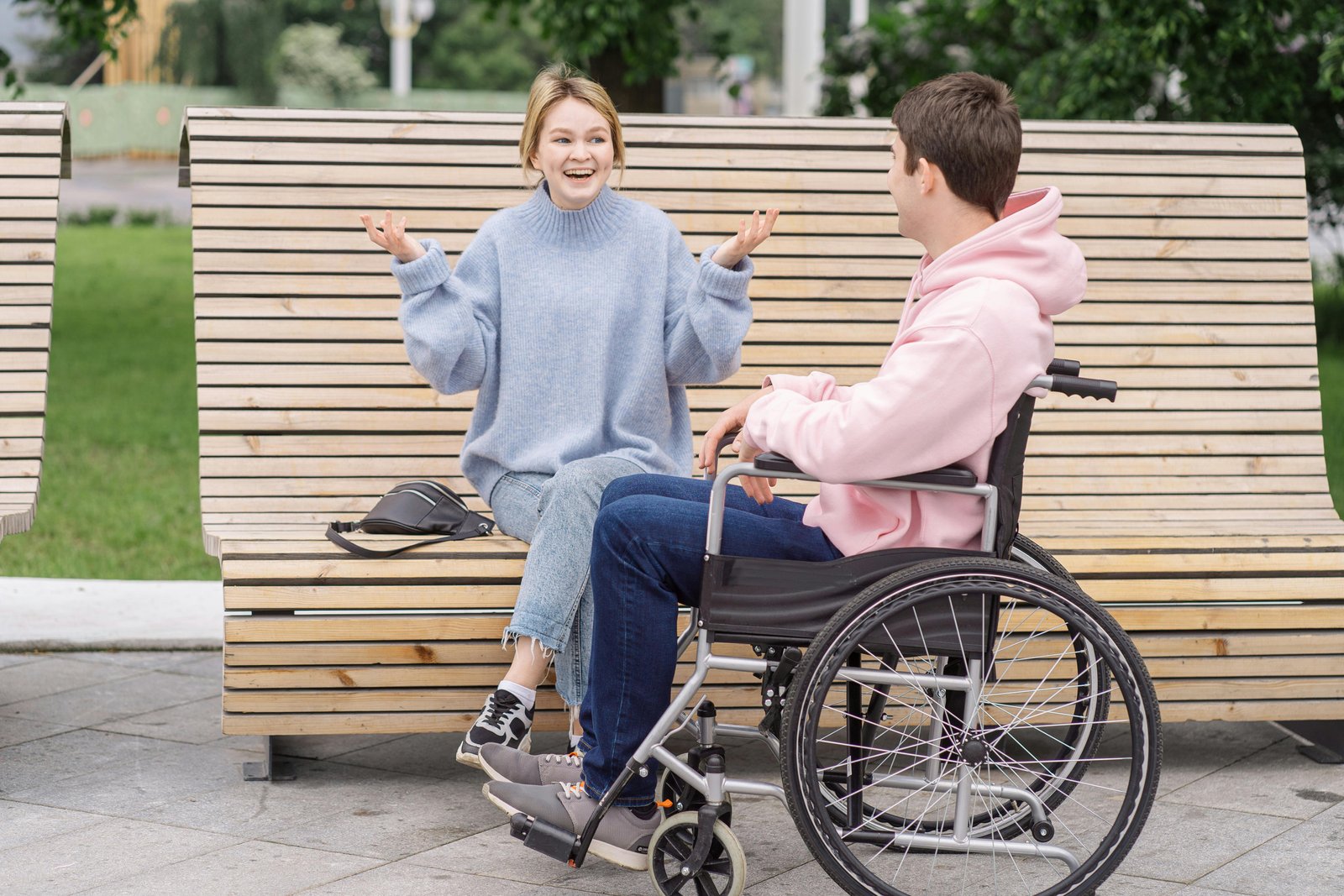
When someone needs significant help with daily personal activities, families face a tough choice. Move them into a facility, or figure out how to provide complex care at home? For many Melbourne families, in-home disability support makes staying home possible, even with high-intensity care needs.
But what does "high-intensity" actually mean? And how do you make sure you're getting proper care, not just someone going through the motions?
What Is High-Intensity Personal Care?
High-intensity personal care goes beyond helping someone shower or get dressed. We're talking about support that requires real skill and training because the person's needs are complex.
This might include help with specialized mobility equipment like hoists, complex toileting and continence care, assistance with eating for swallowing difficulties, managing behavior risks, support for limited communication, care during medical episodes, or assistance with PEG feeding tubes.
At Bells NSS, our team handles high-intensity personal care across Melbourne including Coburg, Reservoir, Springvale, and Pakenham. We're a registered provider with both support workers and registered nurses, which means we can manage the full spectrum from personal care to complex medical needs.
What Qualifications Do In-Home Support Workers Need?
This is where many families get caught out. Not every "support worker" has proper training for high-intensity care. For basic personal care, support workers need a Certificate III in Individual Support. For high-intensity support, workers should have specialized training in manual handling, positive behavior support, complex communication methods, and continence care.
For medical tasks like medication management or wound care, you need a registered or enrolled nurse, not just a support worker. This is non-negotiable for safety.
Skilled Expertise
Highly trained workers and registered nurses for complex medical and behavioral needs.
Specialized Equipment
Expert assistance with hoists, standing frames, and other complex mobility equipment.
Safety First
Consistent care, regular supervision, and clear emergency protocols for peace of mind.
Making In-Home Support Work with Cultural Sensitivity
Here's something most providers won't tell you: high-intensity personal care gets very intimate. They're helping with toileting, showering, dressing, eating. These are deeply private moments. If your support worker doesn't understand your cultural values around modesty, gender preferences, and dietary restrictions, every day becomes uncomfortable.
Our multicultural team at Bells NSS includes people from diverse backgrounds who understand that different cultures have different comfort levels. We match you with workers who speak your language and respect your cultural practices.
Managing Personal Care with Dignity
The answer isn't in the tasks themselves but in how they're done. Quality in-home disability support means workers who explain what they're doing, move at the person's pace, respect preferences, maintain privacy, and treat the person as an adult. We train our workers to support, not take over. Independence isn't all-or-nothing.
In-home disability support for high-intensity needs doesn't mean settling for second-best care. With the right provider, you can have hospital-level expertise delivered in the comfort of home, with dignity and cultural respect.
Need support for complex personal care needs? Call or WhatsApp us at +61430147281 for a free consultation. Let's talk about how Bells NSS can provide the skilled, respectful support your family needs.
Frequently Asked Questions
How much does high-intensity in-home support cost? If it's in your NDIS plan under Core Supports, you don't pay out of pocket. High-intensity supports are funded at higher rates because of the skill required.
Can family members be trained to provide some of the care? Yes, and good providers will train family members in safe techniques. But the NDIS expects professional support for complex care.
How do I know if a support worker is properly qualified? Ask to see their Certificate III and specialized training certificates. Registered providers must verify these.