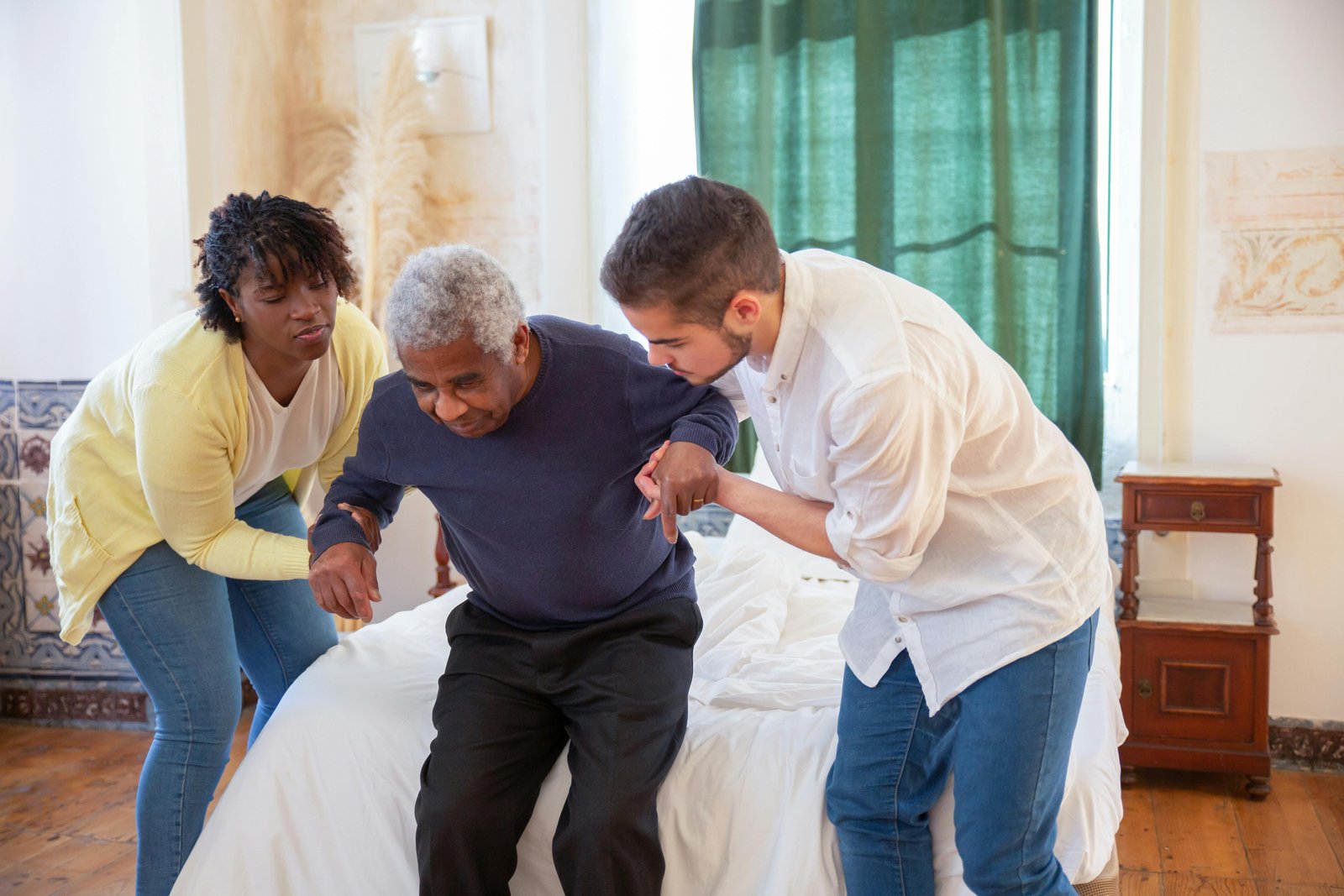
Providing home-based care for specially-abled individuals is a noble and often challenging endeavor. As nurses, our role extends beyond medical tasks; we become educators, advocates, and pillars of support for both the patient and their family.
Home-based care represents a shift towards more personalized, comfortable, and family-centered healthcare delivery. When specially-abled individuals receive care in their own homes, they maintain their independence, stay connected with their community, and experience the comfort of familiar surroundings.
Essential Components of Home-Based Care
Holistic Evaluation
Go beyond physical needs to assess cognitive, emotional, and social well-being. Consider their living environment, support systems, and personal preferences. This comprehensive approach ensures that all aspects of the patient's life are taken into account when developing care plans.
- Assess cognitive abilities and communication methods
- Evaluate emotional state and mental health
- Review social connections and community involvement
- Examine living conditions and accessibility
Fall Prevention
Assess for trip hazards, ensure adequate lighting, and recommend grab bars in bathrooms or railings on stairs. Creating a safe home environment is crucial for preventing accidents and maintaining independence.
- Remove or secure loose rugs and clutter
- Install motion-sensor lighting in hallways
- Add grab bars and non-slip surfaces in bathrooms
- Ensure clear pathways throughout the home
Simplified Regimens
Work with physicians to streamline medication schedules and use pill organizers or electronic reminders to aid adherence. Medication management is often one of the most challenging aspects of home care.
- Coordinate with healthcare providers for optimal timing
- Implement medication reminder systems
- Educate patients and families about each medication
- Monitor for side effects and interactions
Social Engagement
Facilitate opportunities for social interaction and involvement in hobbies or community activities, which is crucial for mental and emotional health. Isolation can significantly impact overall well-being.
- Connect patients with community programs
- Encourage participation in support groups
- Facilitate video calls with family and friends
- Support engagement in meaningful activities
Burnout Prevention
Advise caregivers on the importance of respite care and self-care strategies to prevent burnout, which is common in long-term care giving roles. Supporting the support system is essential for sustainable care.
- Arrange respite care services
- Provide caregiver education and resources
- Connect families with support networks
- Monitor caregiver stress and well-being
Best Practices for Home-Based Care
Communication Excellence
Establish clear communication channels with patients, families, and healthcare teams. Regular updates and transparent discussions about care plans foster trust and collaboration.
Cultural Sensitivity
Respect cultural backgrounds, beliefs, and traditions. Adapt care approaches to align with family values while maintaining clinical standards.
Emergency Preparedness
Develop and practice emergency protocols. Ensure patients and families know how to respond to medical emergencies and have necessary contact information readily available.
Technology Integration
Utilize telehealth platforms, monitoring devices, and mobile applications to enhance care delivery and maintain connection with healthcare teams.
Creating Lasting Impact
By focusing on these key areas, nurses can significantly impact the lives of specially-abled individuals and their families, ensuring they receive high-quality, compassionate care right where they belong – at home. Home-based care is not just about bringing medical services to the patient's doorstep; it's about creating an environment where healing, growth, and independence can flourish.
At Bell's Specialised Nursing & Support Service, our experienced nurses are trained in comprehensive home-based care strategies, ensuring that every client receives personalized, professional care that enhances their quality of life while maintaining the comfort and familiarity of home.