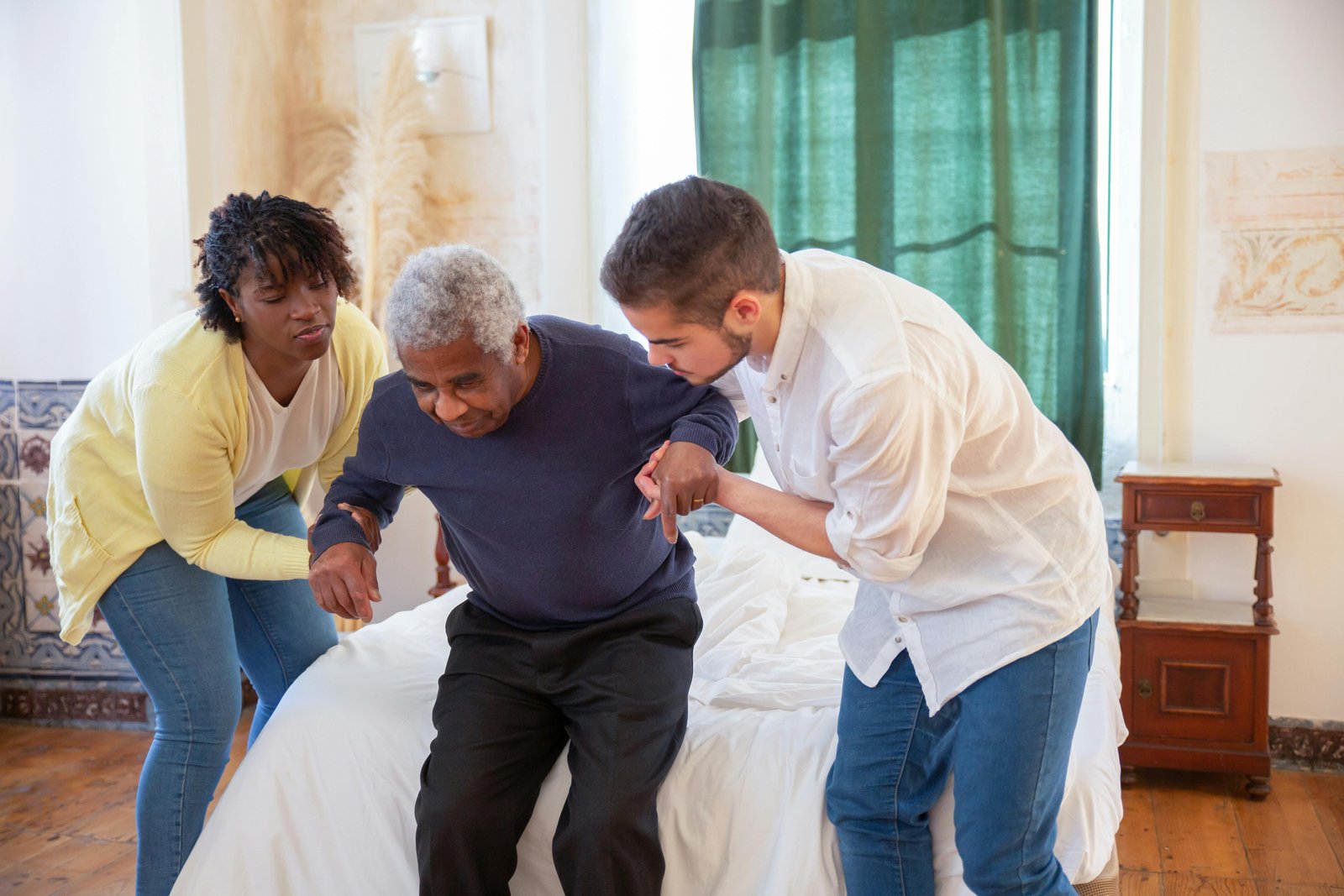
The NDIS can fund community nursing, but figuring out exactly what does NDIS community nursing cover feels like solving a puzzle. One person gets funding for wound care, another gets denied for what seems like the same thing. Let's cut through the confusion.
The key word is "disability-related." Not every nursing need qualifies for NDIS funding. Here's what is and isn't covered so you can advocate effectively for the support you need.
What Does NDIS Community Nursing Cover?
Clinical procedures at home including wound assessment and dressing changes for pressure sores, diabetic ulcers, or chronic wounds, catheter management and changes, stoma care, continence assessment and bladder/bowel programs, PEG feeding tube management, tracheostomy care and suctioning, subcutaneous injections, and blood sugar monitoring and insulin administration for complex diabetes.
Health monitoring and management covers regular vital signs monitoring, medication management and administration, seizure management and emergency response protocols, respiratory support and oxygen therapy management, and coordination with GPs and specialists about your disability-related health.
Training and capacity building includes training support workers or family in specialized care tasks, developing care plans and health protocols, and teaching self-management skills where possible.
At Bells NSS, we provide all these services across Melbourne including St Kilda, Northcote, Craigieburn, and Narre Warren. As a registered provider, we know what NDIS will fund and how to document it properly.
What Does NDIS Community Nursing NOT Cover?
- Short-term post-surgical care: Hospital responsibility for the first few weeks after surgery.
- Emergency medical care: Ambulance services, emergency departments, or acute illness treatment is never NDIS.
- GP or specialist consultations: Covered by Medicare, not NDIS.
- Diagnostic tests and scans: Blood tests, X-rays, or MRIs come through the health system.
- Medications themselves: Covered by PBS, though NDIS can fund administration of those medications.
- Nursing for non-disability health issues: Standard illness or injury without disability connection does not qualify.
What IS Covered
Ongoing clinical procedures, health monitoring, training, and coordination for disability-related nursing needs at home.
What Is NOT Covered
Acute hospital care, Medicare-covered GP visits, diagnostic tests, medications, and short-term post-surgical nursing.
The Grey Areas
Extended wound care, training family members, monitoring stable conditions, and behavioral support with medical needs may qualify.
NDIS Community Nursing: Coverage Comparison
| Service Type | Covered by NDIS | Not Covered |
|---|---|---|
| Wound Care | Pressure sores, diabetic ulcers, chronic wounds related to disability | Post-surgical wounds (first weeks), acute injuries |
| Medications | Administration and management of complex medication regimes | The medications themselves, simple reminders |
| Catheter Care | Ongoing catheter management, changes, problem-solving | Initial insertion, emergency hospital care |
| Diabetes Management | Insulin administration, complex monitoring, complication prevention | GP consultations, blood tests, diabetic supplies |
| Respiratory Support | Ongoing oxygen therapy management, CPAP support | Emergency respiratory care, diagnostic sleep studies |
How to Get Community Nursing in Your Plan
Get a letter from your GP or specialist explaining your nursing needs, how they relate to your disability, and why they're ongoing. Discuss these needs clearly during NDIS planning meetings. Provide evidence of complexity that requires nursing skills, and explain why family or support workers can't meet these needs alone.
Work with a provider like Bells NSS who can help you document needs properly. We've helped hundreds of Melbourne families get community nursing into their plans.
Getting the Coverage You Need
Understanding what does NDIS community nursing cover helps you advocate for appropriate support. With proper documentation and the right provider, you can access the nursing care you need to stay healthy and independent at home.
Not sure what community nursing coverage you qualify for? Call or WhatsApp us at +61430147281 for a free consultation. The Bells NSS team can help you understand your entitlements and support you through the planning process.
Frequently Asked Questions
If I have both NDIS and health care, who pays for what? Health care covers acute needs and standard medical care. NDIS covers ongoing disability-related supports. Sometimes both systems share costs through formal agreements.
Can NDIS pay for nursing in hospital? No. Hospital care is health system responsibility. NDIS can fund nursing once you're discharged home.
What if my nursing needs change suddenly? Contact your provider immediately. For urgent needs, they should respond quickly. For ongoing changes, you may need a plan review.
How many nursing visits can I have per week? It depends on your assessed needs and plan budget. Some people need daily visits, others weekly or monthly. There's no standard number.
Can I choose which nurse visits me? You can request specific nurses for cultural or gender preferences. Good providers like us try to maintain consistency with familiar faces.